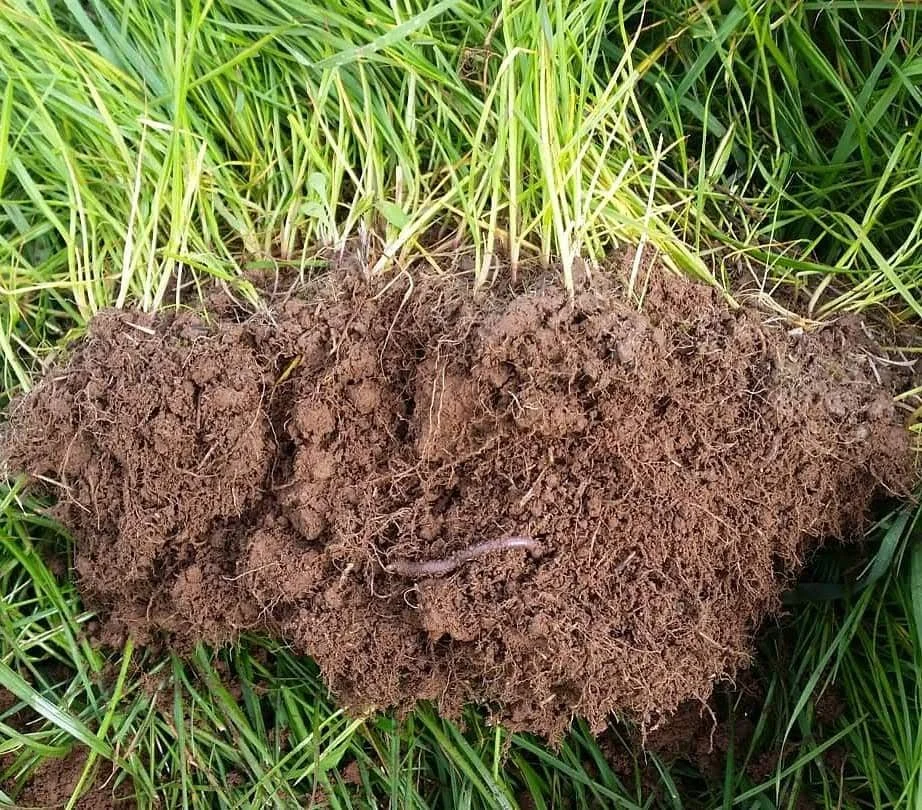
What Is Soil really?
As I learned growing up, raw manure, fresh compost, and water-soluble fertilizers are not the same thing as humus. Manure and scraps are just raw ingredients still waiting to be broken down. And the water-soluble fertilizers used in conventional farming and hydroponics are just quick chemical salts dissolved in water, they push fast growth while bypassing living soil and humus altogether, missing out on that natural biological exchange.
True humus is the finished product, living plant food that holds a full mix of natural minerals safely for plant roots.
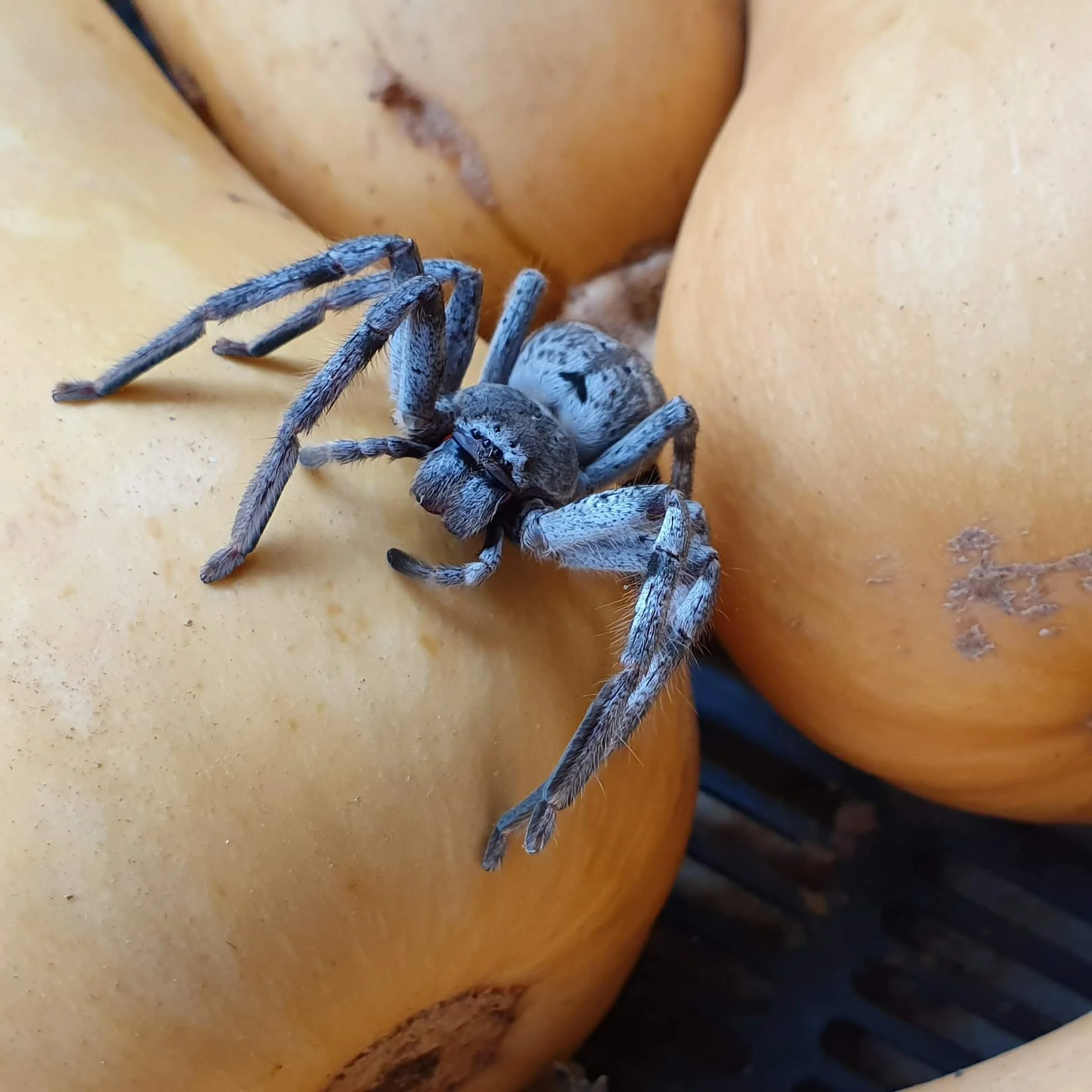
What do organic farms use for pest control?
Recently, I've seen posts on Instagram where people have likened conventional pesticides to organic pesticides acting like they are basically the same thing. That is not true!
Certified organic and biodynamic farms in Australia follow very strict rules. They are not allowed to use harsh, human-made poisons. Instead, they protect their fruits and vegetables using simple things made from plants, rocks, and herbs that break down safely in nature.
Here are the main ways organic and biodynamic farmers protect their crops and how they work:
Plant Oils (Botanical Oils): Farmers spray light oils made from plants onto leaves. The oil coats tiny bugs like aphids and mites so they cannot breathe, without leaving any nasty chemicals behind on the food.
Daisy Flower Spray (Pyrethrum): This is made from crushed daisy flowers. It stops chewing and sucking bugs right away, and the sun breaks it down completely in just a day or two.
Neem Tree Spray: Made from the seeds of the neem tree, this spray makes bugs lose their appetite so they stop eating the crops and cannot lay more eggs.
Clay Masks (Kaolin & Bentonite): Farmers mix fine, natural clay with water and spray it on fruit. It dries into a thin white powder that confuses bugs and stops them from landing on the plants.
Fossil Dust (Diatomaceous Earth): This is a soft powder made from tiny, ancient sea fossils. To crawling bugs, the powder feels like sharp glass that scratches their shells and dries them out.
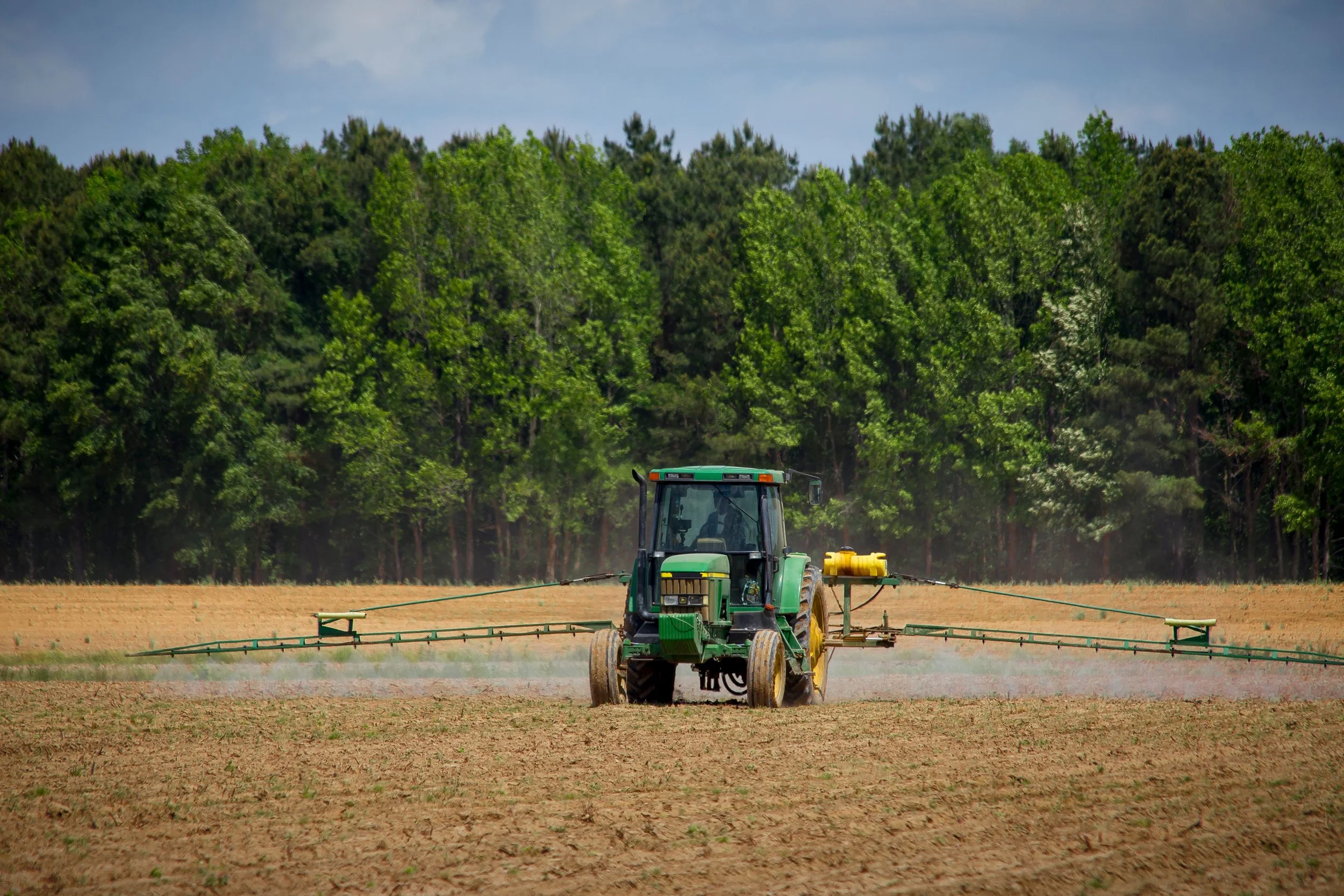
What I found out about the weedkiller Atrazine.
Atrazine is a popular synthetic chemical herbicide (weed killer).
Atrazine is a systemic herbicide. That means when it’s sprayed, the plant absorbs it through its roots and leaves.
You’ll find Atrazine heavily used on major broad-acre crops.
Field Corn & Sweet Corn: Used to make corn starch, high-fructose corn syrup, corn chips, tortillas, popcorn, breakfast cereals, and livestock feed.
Grain Sorghum: Used for gluten-free flour, sorghum syrups, snack foods, pet food, and livestock feed.
Sugarcane: Processed into raw white sugar, brown sugar, molasses, and added sugars in soft drinks and sweets.
Triazine-Tolerant Canola: Used to produce commercial canola oil and vegetable oil blends used in cooking and processed foods.
Pineapples & Macadamia Nuts: Fresh fruits, canned juices, jams, and packaged tree nuts.
Drinking Water & Beverages: Because Atrazine easily washes off crop fields into rivers and groundwater, traces have even been found in municipal tap water, bottled fruit juices, and wine.
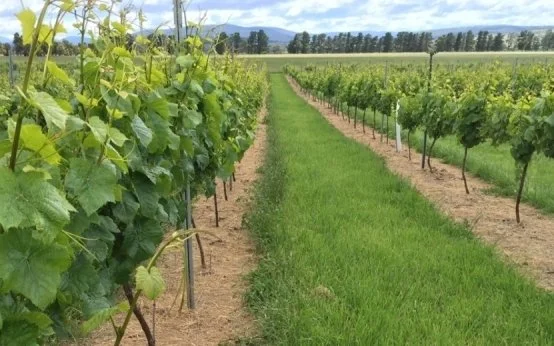
Six Questions I ask before buying a bottle of wine.
Many of these chemical weed killers are systemic (meaning they don't just sit on the surface; they soak right into the plant's internal sap system). Research confirms that once absorbed, glyphosate and other similar synthetic herbicides travel through the plant's phloem and xylem (the vine's internal tubes that carry water and food, much like our blood vessels) circulating down into the root system and throughout the living plant structure (Franz et al., 1997; Duke & Powles, 2008).